If you’re thinking about moving to Ottawa, you’ll find a city that offers a balance of affordability, family-friendly neighbourhoods, outdoor lifestyle, and job stability — but where you choose to live and how you plan your move will shape your experience more than most people realize.
Watch this breakdown to understand what it’s actually like moving to Ottawa:
Thinking about making the move? Download the Ottawa Home Buyer Playbook to understand neighbourhoods, pricing, and what to expect before you buy.
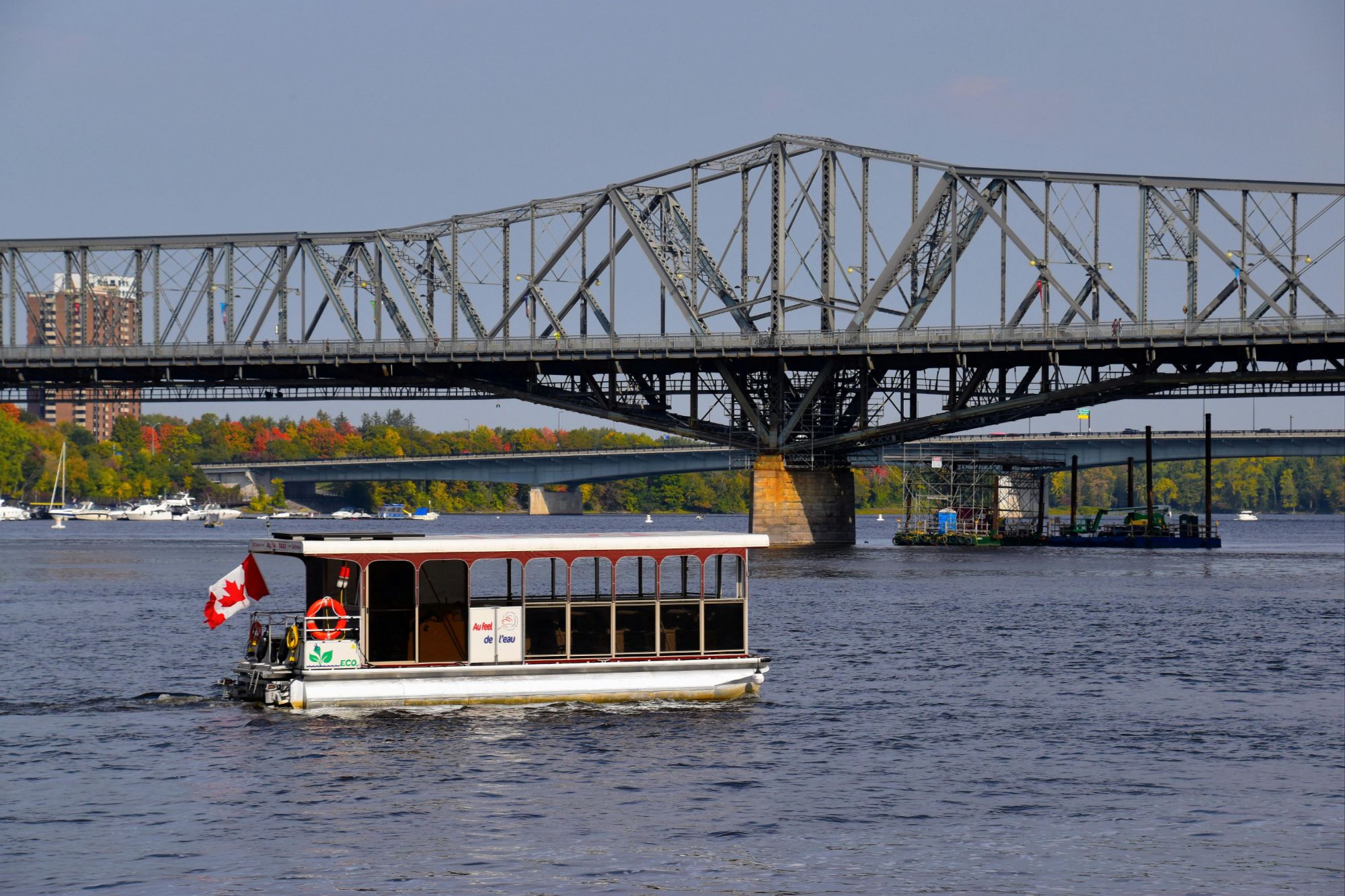
WHY PEOPLE MOVE TO OTTAWA
Ottawa continues to attract people from across Canada and abroad for a few consistent reasons.
First, it is still more affordable than Toronto and Vancouver, especially when it comes to housing. While Ottawa is no longer a “cheap” city, buyers coming from larger markets often find they can get more space, a newer home, and a more family-friendly setting for the same budget. Your money generally stretches further here than in the GTA or Vancouver.
Second, Ottawa offers employment stability. Government remains a major employer, but the city also has strength in tech, healthcare, education, construction, and skilled trades. That makes it attractive for both public-sector workers and people looking for a more balanced economy. Your February 2025 script specifically positioned government, tech, healthcare, education, and trades as the major economic pillars, and that’s a useful framing for this page.
Third, Ottawa appeals to people looking for a calmer lifestyle. It’s a city with trails, rivers, parks, festivals, and strong suburban communities. For many families, the appeal is not just the home itself, but the day-to-day lifestyle around it.

Cost of Living: Do Your Research First
Ottawa sits in an in-between zone. It’s more affordable than Canada’s most expensive cities, but it is not inexpensive in absolute terms.
Your original moving-to-Ottawa script correctly framed this: compared to Toronto or Vancouver, buyers get more value here, but compared to smaller towns or rural markets, Ottawa can still feel expensive. It also notes that rent, groceries, and day-to-day costs have all risen in recent years.
For buyers, the major categories to think about are:
• housing
• property taxes
• utilities
• transportation
• childcare
• groceries
• activities and lifestyle spending
• property taxes
• utilities
• transportation
• childcare
• groceries
• activities and lifestyle spending
If someone is relocating without understanding those l
Weather: This Is a Bigger Factor Than People Think
Ottawa has four real seasons, and that’s a good thing for many people. But you need to respect the winter.
Your February script called this out directly: winters are cold, long, snowy, and a real adjustment if you’re coming from a milder climate. Spring is messy, summer is hot and active, and fall is arguably the city’s best season.
That translates into real-life planning:
• winter tires are not optional for most drivers
• heating costs matter
• snow removal and driveway maintenance matter
• commute patterns change in winter
• lifestyle fit changes if you hate cold weather
• heating costs matter
• snow removal and driveway maintenance matter
• commute patterns change in winter
• lifestyle fit changes if you hate cold weather
People who do well in Ottawa either genuinely enjoy winter activities or at least prepare for the season properly. People who struggle here often un
Job Market and Work Opportunities
Ottawa’s economy is more diversified than many outsiders assume.
Your script highlighted:
• government
• tech
• healthcare
• education
• construction and skilled trades
• tech
• healthcare
• education
• construction and skilled trades
That matters because relocation decisions are rarely just about home prices. They’re about long-term fit.
For public-sector workers, Ottawa can be an obvious choice.
For tech workers, Kanata and the west end are especially relevant.
For healthcare and education workers, central access and institutional proximity matter more.
For remote workers, Ottawa’s suburban and small-town options become more
Schools and Family Considerations
For families, schools often drive the search.
Your moving-to-Ottawa script notes the four publicly funded school boards and the fact that catchment areas matter. That should stay in this page because it is one of the most practical, relocation-relevant points.
Buyers relocating with children should think about:
• school board preference
• French immersion options
• commute to school and activities
• neighbourhood age and family mix
• access to parks and community facilities
• French immersion options
• commute to school and activities
• neighbourhood age and family mix
• access to parks and community facilities
A neighbourhood that looks great online can still be the wrong fit if it doesn’t line up with your school priorities or daily routines.
Transportation: Do You Need a Car?
In many parts of Ottawa, yes.
Your February script is direct about this: Ottawa is car-centric, and suburban buyers usually need a vehicle. Downtown residents can go car-light or car-free more easily, but many suburban households rely on one or two vehicles.
This affects both lifestyle and budget.
If you live centrally:
• walkability improves
• transit becomes more usable
• parking may become more expensive or limited
• transit becomes more usable
• parking may become more expensive or limited
If you live in the suburbs:
• you usually gain more home for your money
•but you take on more car dependence
•but you take on more car dependence
That trade-off needs to be made consciously.
Biggest Mistakes People Make When Moving to Ottawa
The biggest mistakes are usually not dramatic. They’re planning mistakes.
1. Choosing a neighbourhood based only on price/ A cheaper home can become the wrong decision if the commute, school fit, or daily convenience is off.
2. Underestimating winter. Winter impacts driving, utilities, routines, and even how you feel about the city.
3. Assuming all suburbs feel the same. Barrhaven, Kanata, Orleans, Stittsville, and Riverside South each have different personalities and advantages.
4. Not understanding the job fit. Ottawa works very well for some employment paths and less well for others.
5. Thinking Ottawa is either “boring” or “perfect”. The truth is more nuanced. For the right buyer, it’s an exceptional fit. For the wrong buyer, it can feel too quiet or too spread out.
CHOOSING THE RIGHT NEIGHBORHOD
This is where most of the real decision-making happens.
Ottawa offers a wide range of neighbourhood types:
• central and walkable
• suburban and family-focused
• village-style and slower paced
• more affordable, older pockets with strong value
• newer growth communities with modern housing stock
• suburban and family-focused
• village-style and slower paced
• more affordable, older pockets with strong value
• newer growth communities with modern housing stock
Your February script breaks down the broad categories well:
• Centretown and ByWard for people who want urban living
• Kanata, Barrhaven, and Orleans for family-friendly suburban life
• areas like Alta Vista or Westboro for more balanced central/suburban appeal
• Kanata, Barrhaven, and Orleans for family-friendly suburban life
• areas like Alta Vista or Westboro for more balanced central/suburban appeal
A better way to think about it is this:
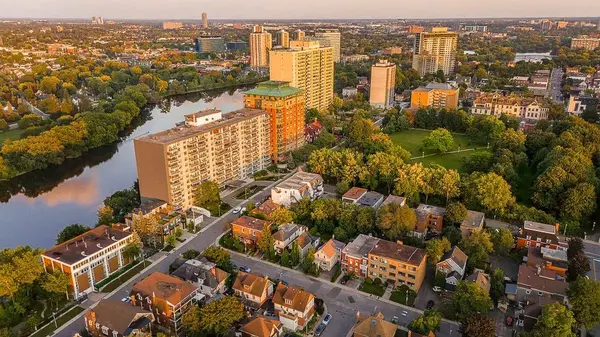
If you want walkability, restaurants, and a more urban feel:

If you want schools, parks, and suburban family living:
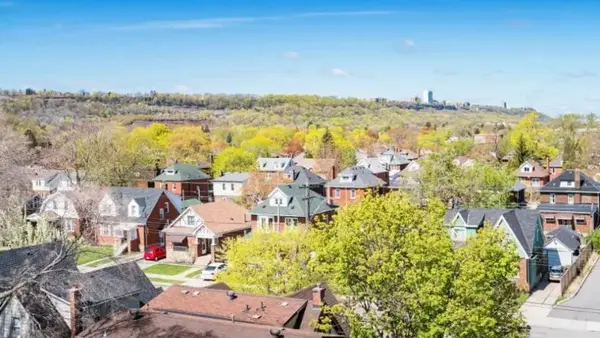
If you want more space and a quieter pace:
What Living in Ottawa Looks Like Day-to-Day
Frequently Asked Questions
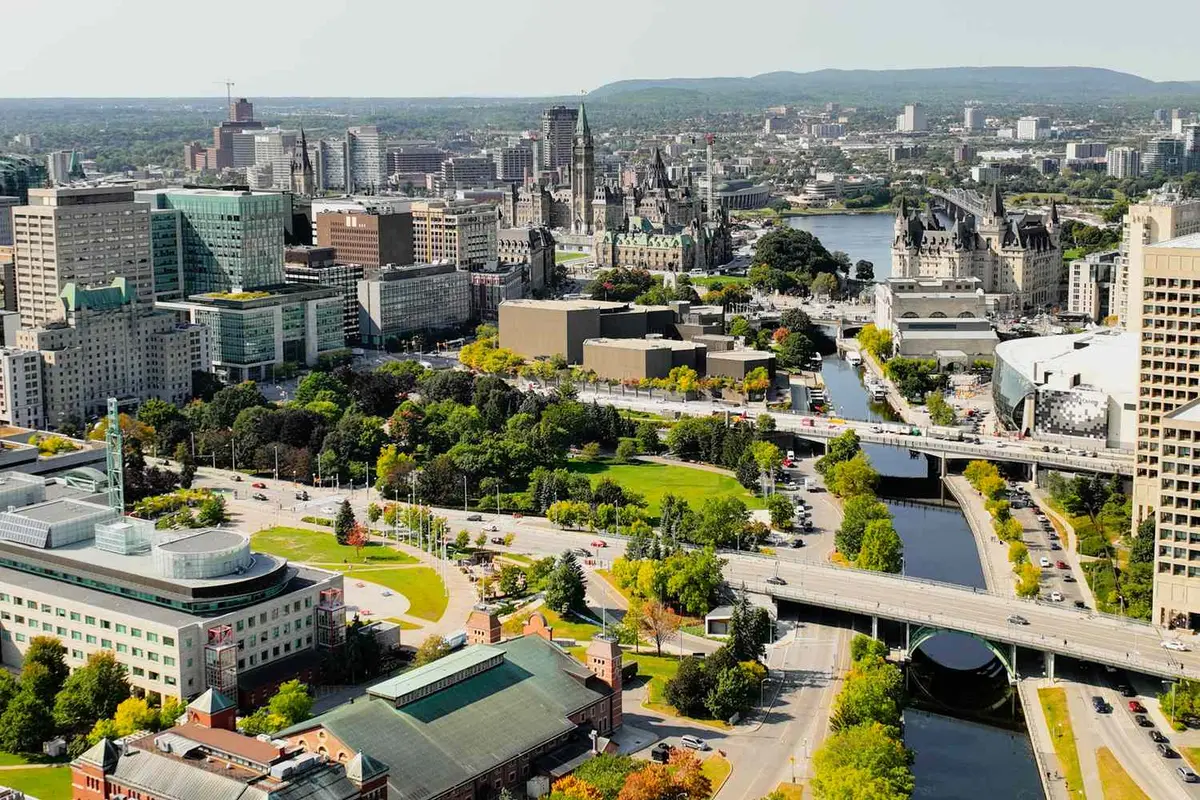
Is Ottawa a good place to live?
Yes. Ottawa is one of Canada’s stronger lifestyle cities for families, professionals, and buyers looking for a balance of stability, outdoor access, and relative affordability.
Is Ottawa cheaper than Toronto?
Do you need a car in Ottawa?
What are the best areas to live in Ottawa?